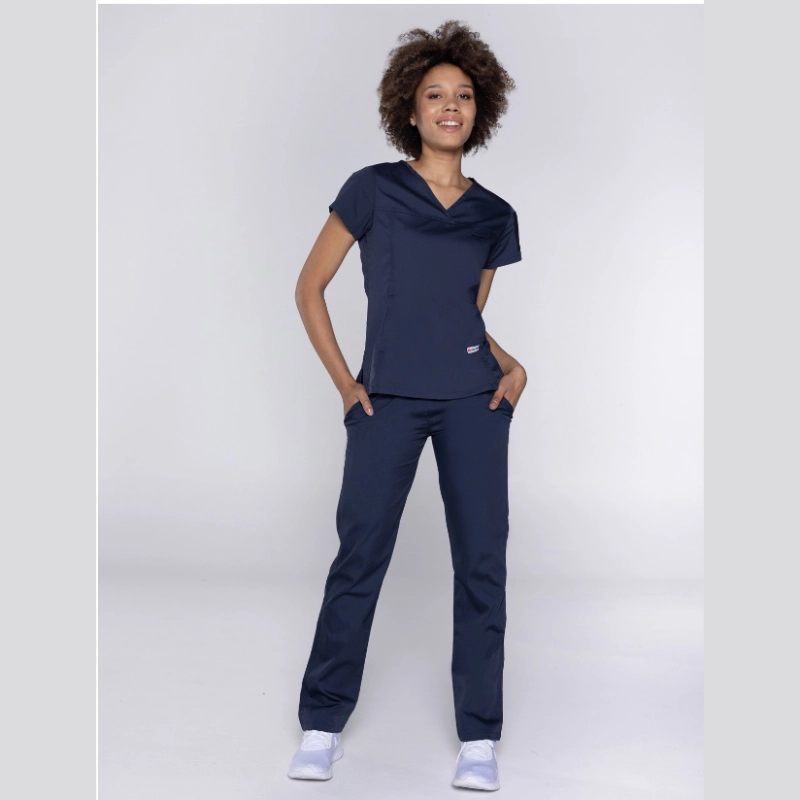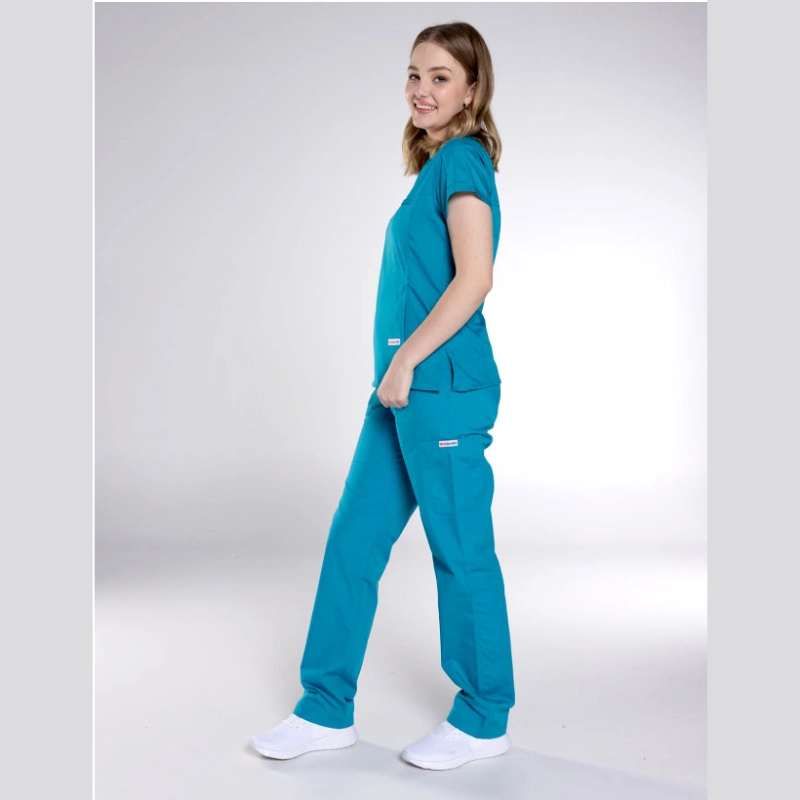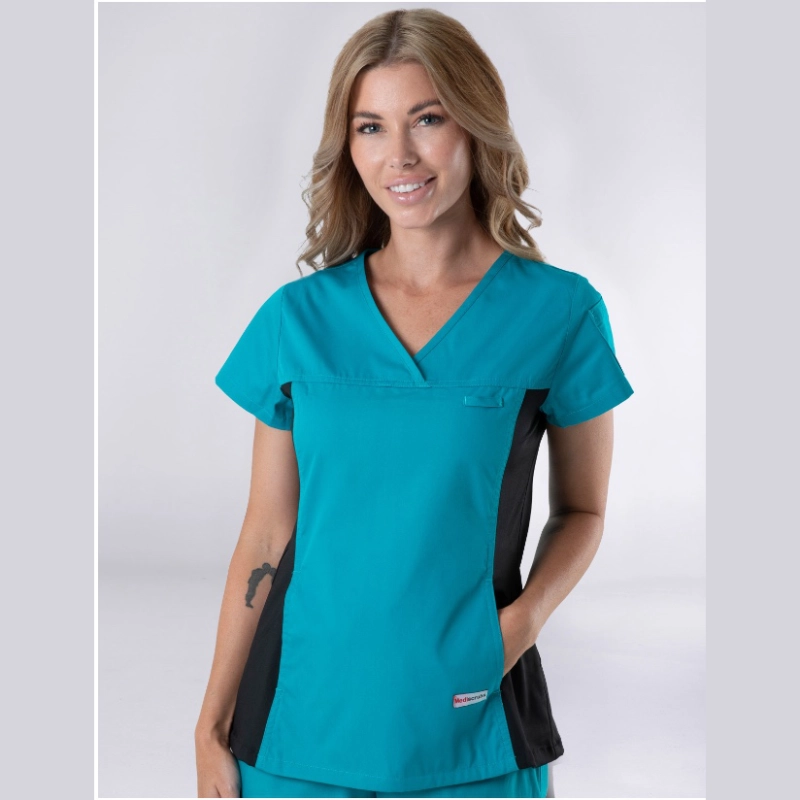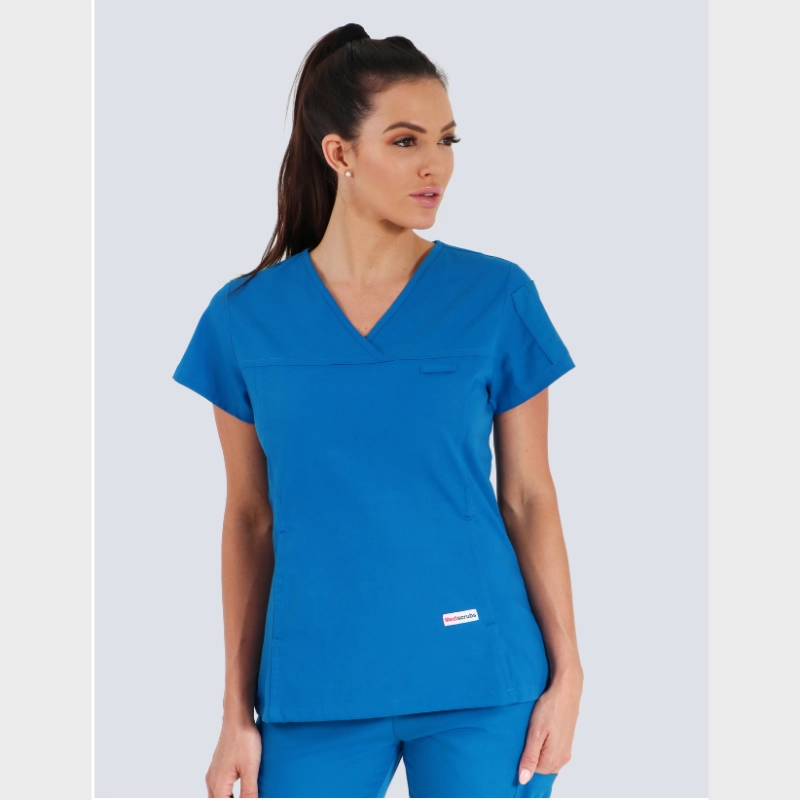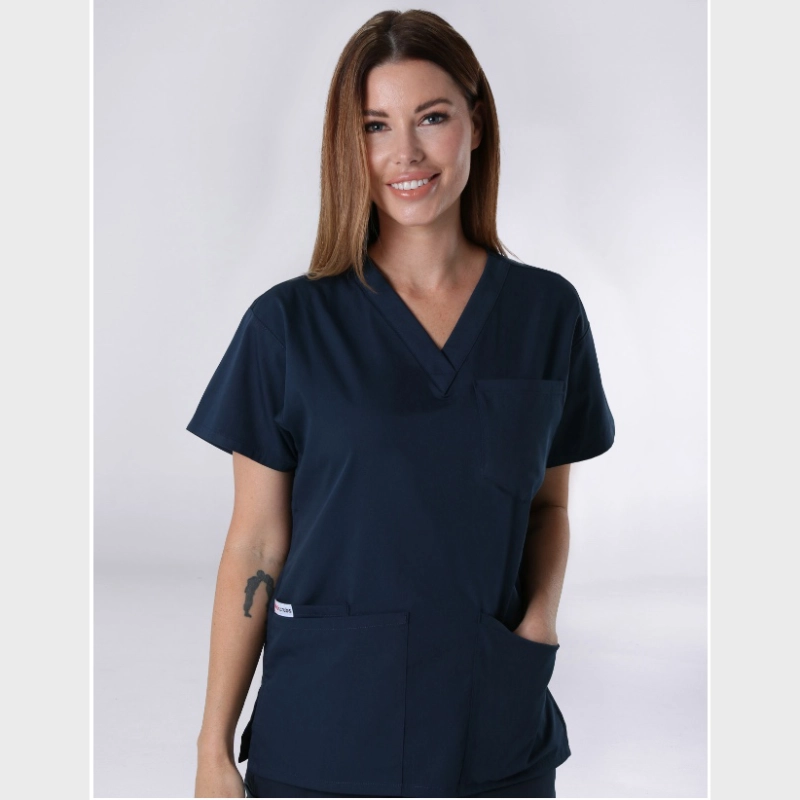

When it comes to medical professionals, the right attire isn’t just about looking the part—it’s about performance, comfort, and safety. At the heart of every great set of scrubs lies the fabric. But with so many options available, how do you choose the best scrub fabric for your needs? Let’s dive into the world of medical scrub fabrics and uncover the perfect blend of comfort and functionality.
Understanding Scrub Fabrics: More Than Meets the Eye
Scrub fabrics have come a long way from the stiff, uncomfortable materials of the past. Today’s medical professionals benefit from advanced textile technology that offers a range of benefits:
Let’s explore the most popular scrub fabrics and their unique characteristics:
Cotton: The Classic Choice
Cotton has been a staple in medical wear for decades, and for good reason. It’s soft, breathable, and gets more comfortable with each wash. However, pure cotton scrubs have some drawbacks:
According to a study published in the Journal of Hospital Infection, while cotton is comfortable, it may not be the best choice for preventing bacterial contamination [https://www.journalofhospitalinfection.com/article/S0195-6701(00)90883-3/fulltext].
Polyester: The Durable Contender
Polyester has gained popularity in recent years due to its durability and low maintenance:
Polyester blends, however, can offer the best of both worlds. A study in the American Journal of Infection Control found that polyester-cotton blends performed well in bacterial filtration efficiency tests [https://www.ajicjournal.org/article/S0196-6553(15)00801-9/fulltext].
Spandex Blends: Flexibility Meets Function
For those who prioritize movement and comfort, spandex blends are a game-changer:
The American Association of Nurse Practitioners recommends considering stretch fabrics for comfort during long shifts [https://www.aanp.org/news-feed/choosing-the-right-scrubs-for-your-nursing-career].
Rayon: The Eco-Friendly Alternative
Rayon, derived from wood pulp, offers a sustainable option for environmentally conscious healthcare workers:
Antimicrobial Fabrics: The Future of Medical Wear
With the increasing focus on infection control, antimicrobial fabrics are becoming more prevalent:
A review in the Journal of Hospital Infection suggests that antimicrobial scrubs could play a role in reducing healthcare-associated infections [https://www.journalofhospitalinfection.com/article/S0195-6701(15)00367-9/fulltext].
Choosing the Right Fabric for You
When selecting your scrub fabric, consider these factors:
Remember, there’s no one-size-fits-all solution. Many healthcare professionals find that a blend of fabrics offers the best combination of features.
Care and Maintenance: Extending the Life of Your Scrubs
Proper care can significantly extend the life of your scrubs:
The Future of Scrub Fabrics
As technology advances, so do scrub fabrics. Keep an eye out for innovations like:
The right scrub fabric can make a world of difference in your comfort and performance. By understanding the properties of different materials, you can make an informed decision that suits your specific needs and preferences.